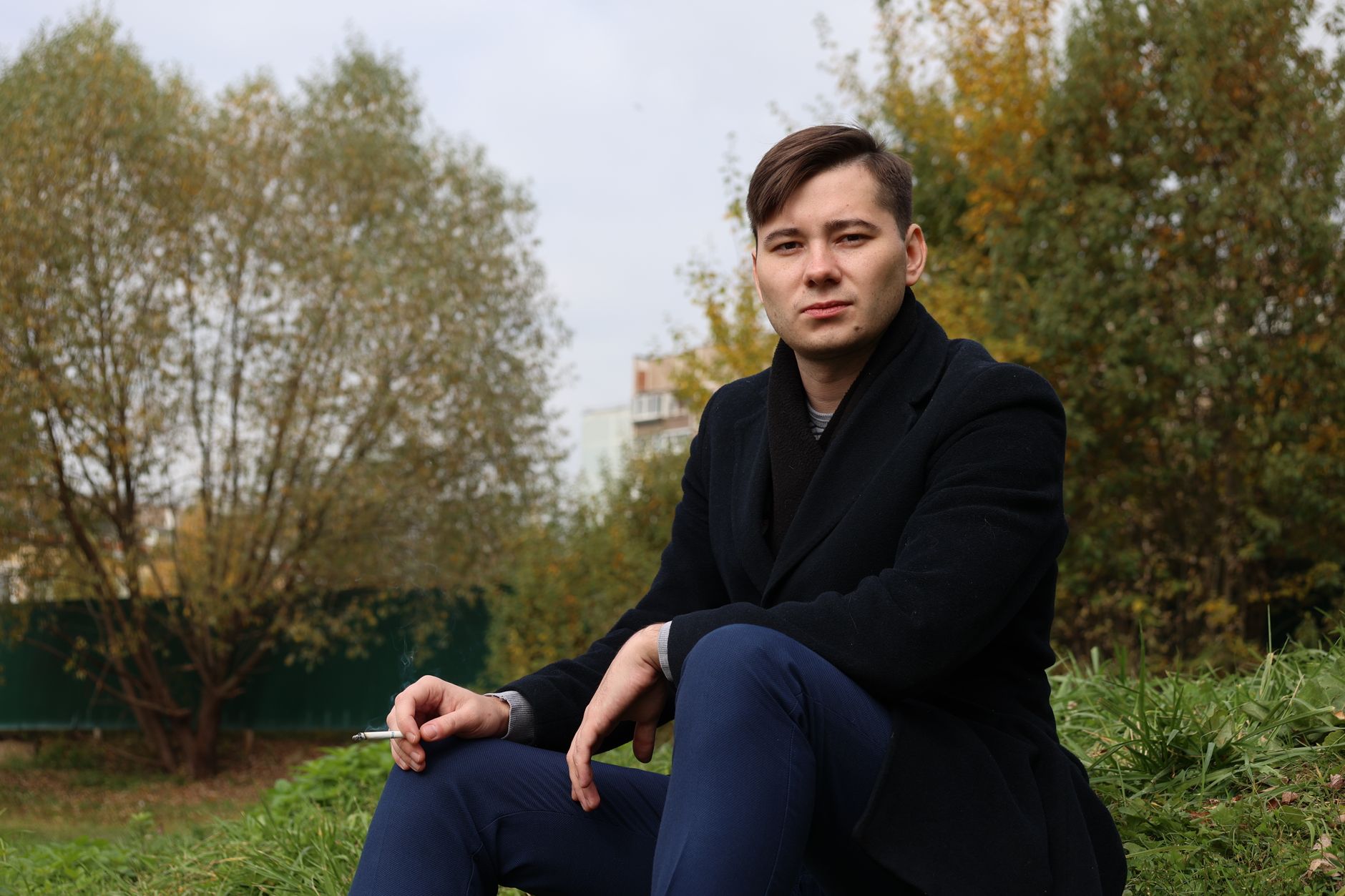
Understanding Zozulya's Controversies: A Deep Dive for the Curious Fan
Roman Zozulya's career, particularly his time in Spain, has been marred by significant controversy, fundamentally rooted in accusations of him holding far-right political views. These allegations, often amplified through social media and press interpretations of his personal actions and associations, have led to widespread protests and condemnation from various fan groups and political organizations. His perceived support for certain Ukrainian nationalist groups and his public display of symbols believed to be associated with extreme right-wing ideologies have fueled a narrative that paints him as a figure incompatible with the inclusive values often championed in European football. Understanding these controversies requires acknowledging the complex interplay between sports, politics, and national identity, especially in the highly charged environment of modern European discourse.
The most prominent flashpoints in Zozulya's controversial journey include his ill-fated move to Rayo Vallecano in 2017, where protests from the club's left-leaning ultras effectively blocked his transfer, leading to his return to Real Betis. This incident, in particular, highlighted the power of fan activism and the deep divisions that political leanings can create within the footballing world. Furthermore, his involvement with the Spanish club Albacete in 2019 saw another game against Rayo Vallecano suspended due to offensive chants directed at him. These events are not isolated incidents but rather recurring manifestations of a persistent debate surrounding Zozulya's political alignment and its perceived impact on the sport. For the curious fan, delving into these specific instances offers crucial insight into the ongoing discussion.
Roman Zozulya is a Ukrainian professional footballer who plays as a forward. He has played for various clubs throughout his career, including Dnipro and Real Betis. Roman Zozulya has also represented the Ukraine national team internationally, making numerous appearances and scoring several goals for his country. His career has been marked by both on-field achievements and off-field controversies.
Navigating Fan Discussions: Practical Tips for Engaging with Zozulya's Legacy
Engaging with discussions surrounding Roman Zozulya's legacy requires a nuanced approach, particularly given the strong opinions his career has evoked. To foster productive dialogue, it's crucial to prioritize active listening and a willingness to understand varying perspectives. Rather than immediately refuting opposing viewpoints, try to identify the underlying concerns or values that inform them. Remember that many people have deeply held convictions about symbols and their interpretations, and these are often shaped by personal experiences or cultural contexts. Focus on sharing information and asking clarifying questions, rather than making accusatory statements. By adopting a posture of curiosity and respect, even in the face of disagreement, you can help shift the conversation from a confrontational debate to a more constructive exchange of ideas.
When participating in online forums or comment sections, consider employing specific strategies to maintain a civil and informative tone. First, fact-check your own contributions to ensure accuracy and avoid inadvertently spreading misinformation. If you're referencing historical events or statements, provide sources where possible. Second, be mindful of the language you use; inflammatory or sarcastic remarks often escalate tensions rather than de-escalate them. Instead of:
“Anyone who supports Zozulya clearly doesn't understand history.”try:
“Some interpretations of Zozulya's actions have been linked to specific historical contexts; what are your thoughts on those connections?”This rephrasing encourages further discussion rather than shutting it down. Ultimately, the goal is to contribute to a deeper understanding of a complex legacy, not to win an argument.