Understanding Touba's Spiritual Roots: Beyond the Surface Meaning of a Name
The name Touba, often simply translated as 'felicity' or 'bliss,' carries a profound spiritual weight far exceeding its literal meaning. It's not merely a pleasant designation; it embodies a deeply ingrained aspiration and a foundational principle for the Muridiyya Sufi order. For adherents, Touba represents a spiritual state of being, a journey towards divine contentment and proximity to Allah. This understanding is rooted in the teachings of Shaykh Ahmadou Bamba, the revered founder, who envisioned Touba not just as a physical city, but as an intellectual and spiritual sanctuary where knowledge, devotion, and service (khidma) converge. It's a testament to the Murids' unwavering commitment to spiritual excellence and their pursuit of a life dedicated to God, making the name a constant reminder of their ultimate purpose.
Delving deeper, the spiritual roots of Touba are intertwined with Islamic eschatology and the concept of paradise. While it refers to their earthly holy city, for Murids, Touba also evokes the imagery of Jannah (paradise) and the promise of ultimate reward for the righteous. This dual meaning imbues the name with immense power and motivation. It encourages a life of piety, hard work, and community service, mirroring the efforts required to attain heavenly bliss. The city itself, therefore, becomes a tangible representation of these spiritual ideals, a place where believers strive to live out the principles that will, inshallah, lead them to the 'Touba' of the afterlife. This layered understanding ensures the name Touba remains a potent symbol of both earthly devotion and eternal hope.
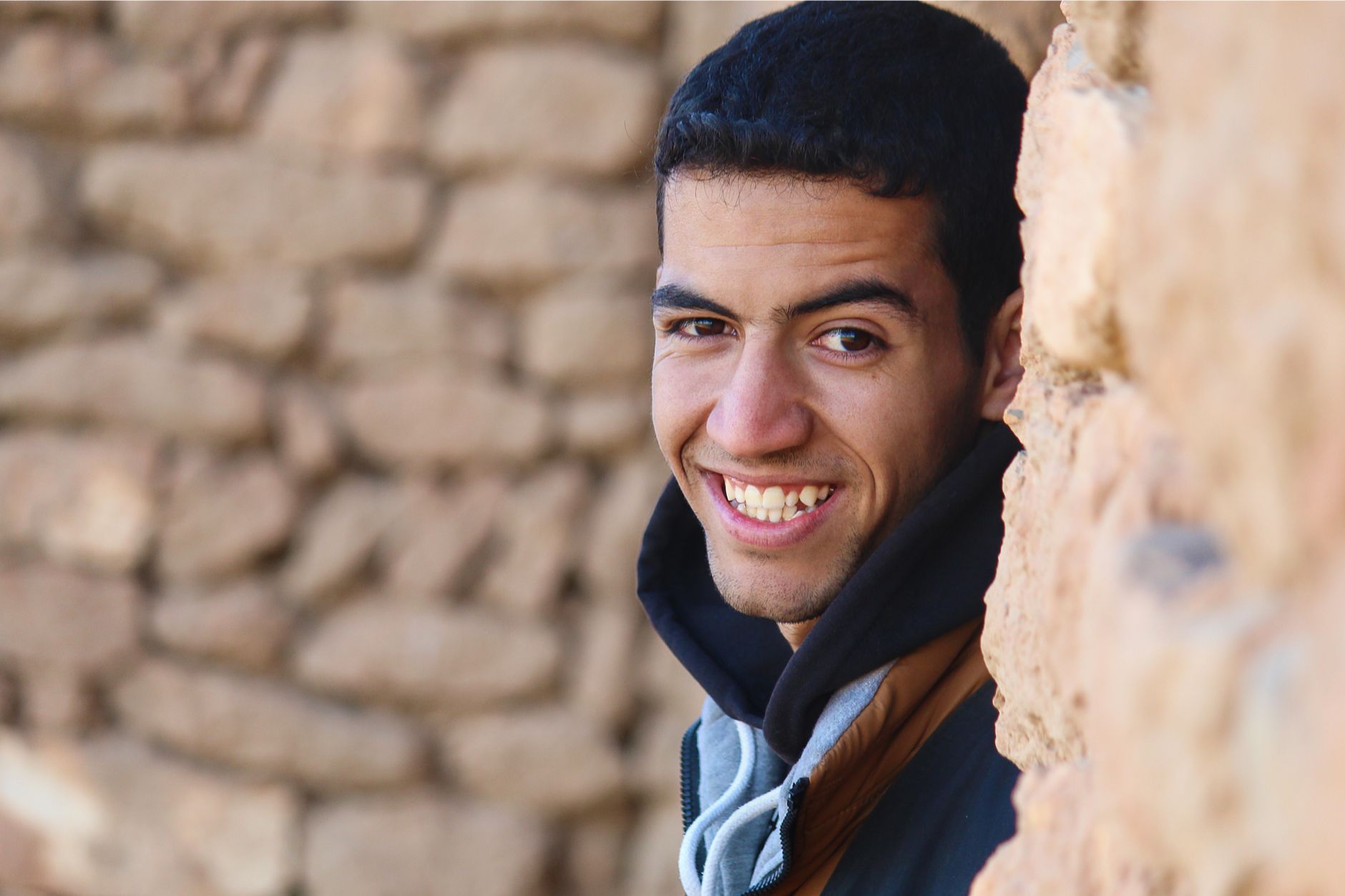
Ahmed Touba is a professional footballer who plays as a centre-back for Turkish club İstanbul Başakşehir and the Algeria national team. The talented defender, Ahmed Touba, began his career at Club Brugge before moving to Beroe Stara Zagora and then Waasland-Beveren. He is known for his strong defensive skills, aerial ability, and leadership on the field.
Tracing the Lineage: Ahmed Touba's Ancestry and Enduring Influence in Senegal Today
The esteemed figure of Ahmed Touba, whose full name was Sheikh Ahmadou Bamba Mbacké, remains an unwavering beacon of spiritual and national identity in Senegal. His lineage is not merely a matter of genealogical record; it's a profound narrative interwoven with the very fabric of Senegalese history, particularly the genesis and growth of the Muridiyya Sufi order. Born in Mbacké-Baol, his ancestry traces back to a distinguished line of scholars and marabouts from both patrilineal and matrilineal sides, firmly rooted in the Wolof ethnic group. This rich heritage provided the fertile ground for his profound religious education and the development of his unique spiritual methodology, which would later captivate and inspire millions, establishing a legacy that continues to resonate with immense power today.
Ahmed Touba's enduring influence, far from being a historical footnote, is a vibrant, living force deeply embedded in contemporary Senegalese society. The Muridiyya, the brotherhood he founded, is not just a religious institution; it's a powerful economic and social network that shapes daily life, from commerce to politics. His teachings of hard work, self-reliance, and devotion to God ("Liggey, Jàng, ak Jàngoro" in Wolof) are still preached and practiced, manifesting in the thriving agricultural and business ventures spearheaded by his followers. Furthermore, the annual Grand Magal of Touba, commemorating his departure into exile, draws millions of pilgrims, demonstrating the immense spiritual and cultural pull he continues to exert, solidifying his place as a pivotal figure whose presence is felt in every facet of modern Senegal.