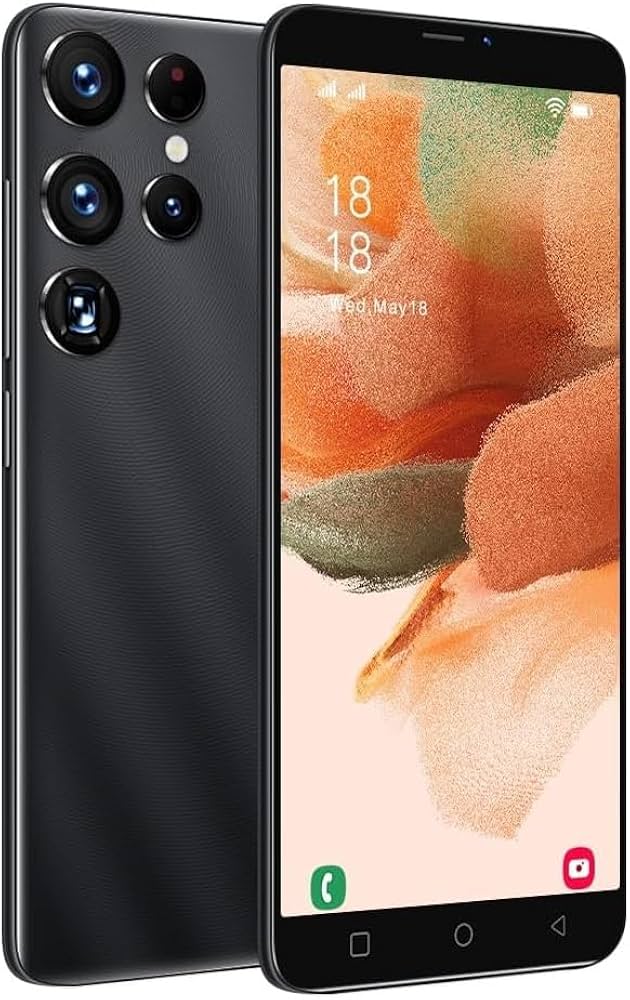
The Hidden Intelligence: How Your Mobile Device Anticipates Your Needs
In today's digital age, our mobile devices have transformed from mere communication tools into intelligent companions that anticipate our needs. This incredible capability is driven by advanced algorithms and machine learning, which analyze our habits, preferences, and routines. For instance, when you frequently search for coffee shops in the morning, your smartphone may start suggesting nearby cafes as soon as you wake up. This process, known as predictive analytics, relies on vast amounts of data to offer personalized recommendations, making your daily life more convenient.
Moreover, the integration of artificial intelligence (AI) in mobile devices enhances this hidden intelligence. Applications like virtual assistants actively learn from user interactions, adapting their responses over time. For example, when you consistently ask for weather updates before heading out, your device may automatically provide this information without prompting. This seamless interaction not only saves time but also creates a tailored experience that feels almost intuitive. As this technology continues to evolve, we can expect our mobile devices to become even more adept at understanding and predicting what we need, putting a world of information and assistance at our fingertips.
Counter-Strike is a highly popular first-person shooter game that pits teams of terrorists against counter-terrorists in a variety of game modes. Players must work together to complete objectives or eliminate the opposing team. For those interested in gaming accessories, check out the Top 10 Lightweight Slim iPad Cases to enhance your gaming experience.
Unlocking the Power of AI: Why Your Smartphone is More Capable Than You Realize
In today's fast-paced digital world, the integration of AI into your smartphone is revolutionizing how we interact with technology. Many users remain unaware of the full potential of their devices, which can perform complex tasks that were once the realm of specialized software. For instance, your smartphone's virtual assistant utilizes AI algorithms not only to process voice commands but also to learn your preferences over time. This capability allows it to provide personalized recommendations, set reminders, and even manage your daily schedule with ease.
Moreover, the power of AI extends beyond mere voice commands. Modern smartphones are equipped with advanced features such as facial recognition and natural language processing that enhance security and improve user experience. With the ability to analyze images, your smartphone can automatically categorize your photos, enhance image quality, and even suggest edits. Embracing these intelligent features not only streamlines your tasks but also unlocks new possibilities, making your smartphone a potent tool for both personal and professional growth. Understanding and utilizing these AI capabilities will truly elevate your smartphone experience to an innovative new level.
Is Your Mobile Device Smarter Than You? Debunking Common Myths
The debate over whether your mobile device is smarter than you often hinges on a series of misconceptions. One prevalent myth is that smartphones can outperform human intelligence entirely. While it's true that devices can process vast amounts of data in seconds, they lack the ability to understand, reason, and feel in the same way humans do. For example, artificial intelligence can analyze patterns and make predictions, but it doesn't possess the creativity or emotional intelligence that characterizes human thought. This illustrates that although devices are powerful tools, they are fundamentally different from how we think and learn.
Another common myth is that technology is infallible. People often assume that their mobile devices will always provide accurate information and decisions due to advanced algorithms. However, it's essential to understand that these devices are only as smart as the data they process. Errors occur due to incomplete data or programming mistakes, showcasing that reliance on technology can lead to misinformation. Therefore, it’s crucial to engage critically with the information your mobile device presents, reminding ourselves that in the end, human judgment remains essential in navigating the digital landscape.