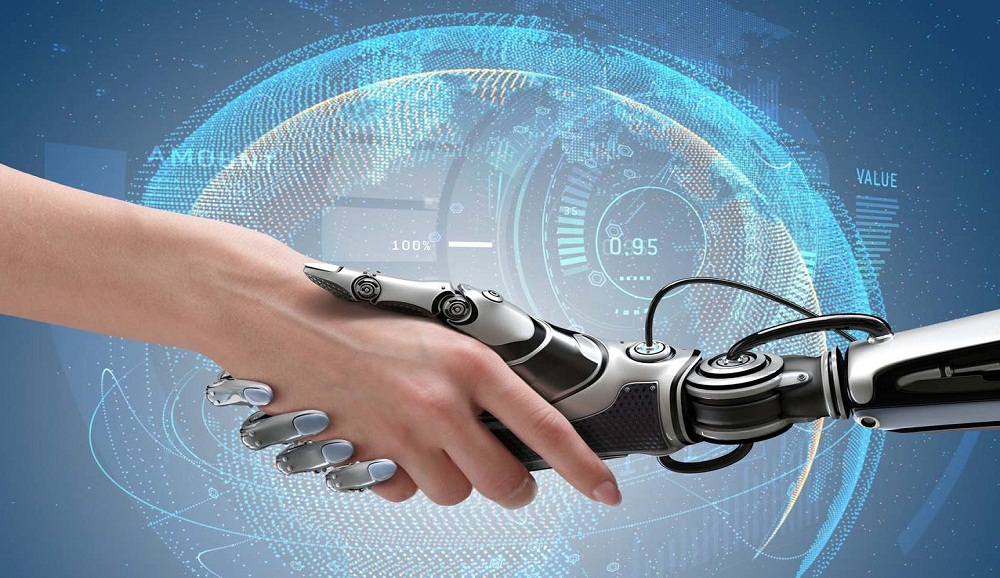
The Rise of Augmented Reality: How It's Changing Our Perception of the World
Augmented reality (AR) has emerged as a revolutionary technology, significantly altering how we interact with our environment. By overlaying digital information onto the physical world, AR enhances our perception, blending the boundaries between real and virtual experiences. This shift is not just a passing trend; it's reshaping various industries, from gaming to education, allowing users to engage in ways previously considered impossible. For example, applications like Pokémon GO have popularized AR in gaming, while educational tools enable students to visualize complex concepts directly in their surroundings, making learning more interactive and engaging.
The impact of AR on our daily lives extends beyond entertainment and education. Businesses are now leveraging this technology for enhanced customer experiences. Retailers use AR to allow customers to visualize products in their own homes before making a purchase, thereby reducing uncertainty and improving satisfaction. As AR continues to evolve, we can expect it to play an increasingly vital role in our decision-making processes, shifting the way we perceive options and experiences. With its growing presence, augmented reality is set to redefine our understanding of the world around us and how we interact with it.
Counter-Strike is a highly popular tactical first-person shooter that emphasizes team-based gameplay, strategy, and communication. Players can choose to be part of the terrorist or counter-terrorist teams, with the objective of completing various missions or eliminating the opposing side. It has maintained a significant presence in the gaming community with its competitive scene and dedicated player base. If you're interested in enhancing your gaming experience, check out the Top 10 apple tv remote covers for better control and comfort during your sessions.
Virtual Reality: A New Frontier for Social Interaction and Experiences
Virtual Reality has emerged as a groundbreaking technology that is redefining the way we interact socially and experience our world. With immersive environments and lifelike simulations, individuals can connect with others from around the globe in ways that were previously unimaginable. Through VR platforms, users can participate in shared experiences whether it's attending concerts, exploring virtual landscapes, or collaborating in real-time workspaces. This new frontier encourages creativity and provides a platform for meaningful interactions that break the barriers of distance.
Moreover, Virtual Reality is augmenting traditional social interactions by offering unique emotional experiences. For instance, users can engage in activities such as gaming, storytelling, or even therapeutic sessions in a cohesive and engaging environment. Virtual Reality not only enhances the quality of social connections but also allows users to be represented by their avatars, making the experience more personal and immersive. As technology continues to evolve, we can expect that the possibilities for social interaction through VR will expand, ultimately reshaping our understanding of community and relationships.
Can AI Create a Reality That Is Better Than Our Own?
As technology continues to advance, the question arises: Can AI create a reality that is better than our own? The potential for artificial intelligence to simulate experiences, environments, and even entire worlds presents both fascinating opportunities and profound challenges. For instance, AI-driven virtual realities can be tailored to individual preferences, offering experiences that cater directly to our desires and needs. This customized approach could lead to enhanced education, healthcare, and entertainment, creating an engaging environment where learning and growth are optimized.
However, the implications of relying on AI to shape our realities also raise significant ethical considerations. Should we allow AI to dictate our experiences, or does that undermine the authentic human experience? As we explore the **potential** of AI, we must also acknowledge the risks, including dependency, diminished social interactions, and the possibility of a warped perception of reality. Thus, while AI has the capability to create an enhanced reality, the conversation must balance innovation with caution to ensure that our pursuit of a better existence does not lead us down a path of disconnection from what it truly means to be human.