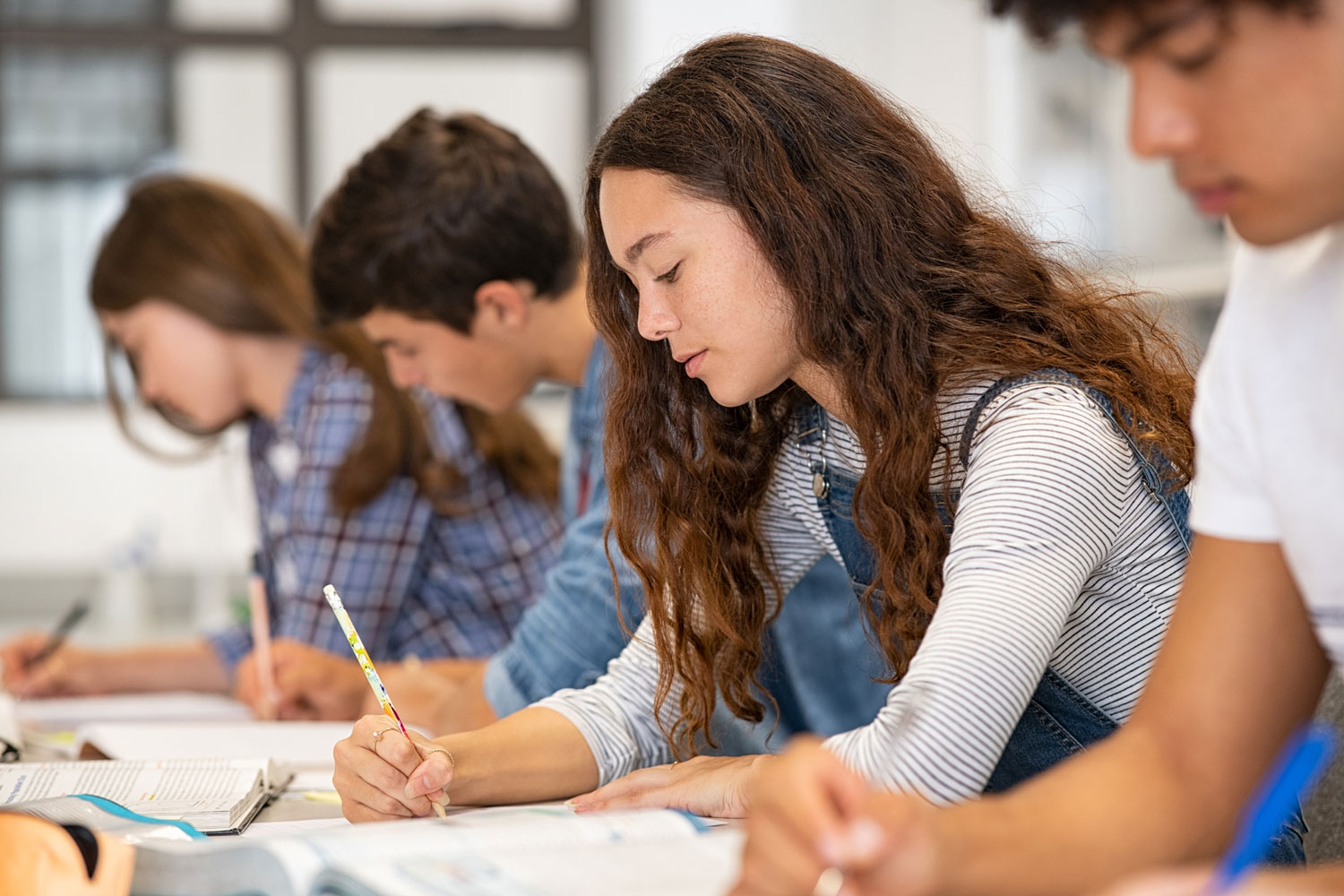
Unveiling Student Stories: What Textbooks Don't Tell You
While textbooks provide the foundational knowledge necessary for academic success, they often overlook the nuanced narratives and experiences that shape a student's journey. Unveiling student stories entails exploring the moments of struggle, triumph, and personal growth that can't be encapsulated in theories or formulas. Students encounter unique challenges such as balancing coursework with jobs, navigating social dynamics, and discovering their passions amidst the academic grind. These personal stories, rich in detail and emotion, often reveal insights about resilience and creativity that go beyond what is written in textbooks.
Additionally, the student experience is deeply influenced by external factors that textbooks rarely address. For instance, socioeconomic background, family support, and even mental health play significant roles in a student's academic path. Listening to student testimonials can shed light on these often-ignored aspects, showcasing how diversity and personal circumstances contribute to varying educational outcomes. This narrative approach not only highlights the complexities of student life but also encourages empathy and understanding among peers and educators alike.
Counter-Strike is a highly popular first-person shooter game that has become a staple in the esports community. Players form teams to compete in various game modes, showcasing their strategic skills and teamwork. It's not just a game, but a phenomenon that has influenced the gaming landscape significantly. If you're looking for a great gift for a gamer, check out our Top 10 Tech Gifts for Students to find something they will love!
Beyond the Classroom: The Real Lives of Students Revealed
As the world continues to evolve, the narrative around education is shifting beyond traditional classroom settings. Students today experience a multitude of challenges and opportunities that shape their identities and ambitions outside of academic walls. Beyond the classroom, students are not just learners; they are individuals navigating complex social landscapes, balancing part-time jobs, and engaging in extracurricular activities that reflect their passions and interests. According to recent studies, over 60% of high school students participate in activities that foster personal growth and community involvement, highlighting the importance of holistic development in shaping their futures.
Moreover, the real lives of students often reveal stories of resilience and adaptability. Many students face unique obstacles such as financial pressures and mental health challenges, which can significantly impact their educational journeys. Organizations are increasingly recognizing the need to support students beyond academic frameworks by providing resources such as counseling and mentorship programs. As we delve deeper into these narratives, it becomes evident that the educational system must evolve to support the real-life experiences of students, ensuring that they are equipped not only with academic knowledge but also with practical skills to navigate life beyond school.
What Are Students Really Thinking? Exploring the Hidden Experiences Behind the Textbook
When we consider the academic journey of students, we often focus on grades, lectures, and homework, overlooking the rich tapestry of thoughts and feelings that lie beneath the surface. What are students really thinking? Their experiences can be multifaceted and complex. From feelings of stress and anxiety to moments of joy and achievement, students navigate a myriad of emotional landscapes that significantly influence their learning. According to a recent survey, about 65% of students reported feeling overwhelmed by their coursework, which often leads to disengagement. Additionally, many students feel pressure to succeed and meet societal expectations, which can further complicate their relationship with education.
Moreover, as students immerse themselves in their studies, they often wrestle with issues such as mental health, social dynamics, and the quest for identity. During lectures, while they may appear focused, many are mentally juggling various thoughts, including their future prospects and personal challenges. Research indicates that students frequently engage in self-reflection—pondering not just the material, but their place in the world. Understanding these hidden experiences is crucial for educators and parents alike, as it allows for a more supportive and empathetic learning environment. By acknowledging what students are really thinking and feeling, we can foster a culture that prioritizes their well-being alongside academic success.