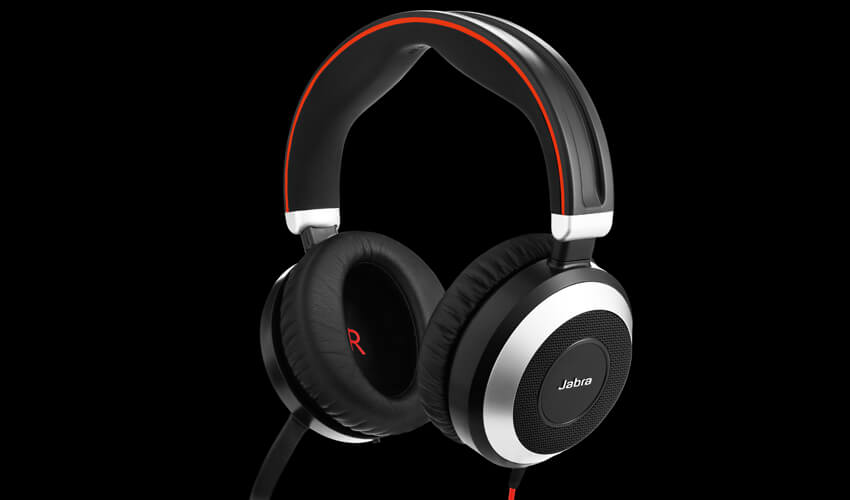
The Science Behind Noise Cancelling: How Does It Really Work?
The science behind noise cancelling technology hinges on a sophisticated interplay of sound waves and physics. At its core, noise-cancelling headphones utilize a technique known as active noise control (ANC). These headphones are equipped with tiny microphones that pick up ambient sounds. Once detected, the headphones generate a sound wave that is the exact opposite phase of the incoming noise. This phenomenon, known as destructive interference, effectively cancels out the undesired sound, allowing users to experience a quieter environment.
In addition to ANC, many noise-cancelling devices also incorporate passive noise isolation strategies, which physically block external noise using cushioned ear cups or seals. This dual approach not only enhances the overall effectiveness of noise cancelling technology but also improves user experience by delivering rich, immersive sound quality. Whether you're commuting on a busy train or focusing in a noisy office, understanding the science behind noise cancelling can help you appreciate the technology that brings tranquility to your auditory experience.
Counter-Strike is a popular tactical first-person shooter that has captivated gamers since its initial release in 1999. Teams of terrorists and counter-terrorists compete in various game modes, requiring skill, teamwork, and strategy to succeed. As players engage in intense firefights, they also need to manage their resources effectively, making weapon choice and positioning crucial. For those seeking to enhance their gaming experience, check out the Top 10 Noise-Cancelling Headphones for Working from Home which can help create a focused environment during gameplay.
Top 5 Myths About Noise Cancelling Headphones Debunked
Noise cancelling headphones have become increasingly popular, yet many misconceptions surround their technology and effectiveness. One common myth is that all noise cancelling headphones completely block out all sound. In reality, these devices are designed primarily to reduce low-frequency background noise, such as the hum of an airplane or air conditioning. They work by using microphones to pick up ambient sounds and then generate sound waves that are phase-inverted to effectively cancel out the unwanted noise. While they can significantly improve your listening experience, they do not eliminate all external sounds.
Another prevalent myth is that noise cancelling headphones are uncomfortable for long-term use. However, many modern models are engineered with comfort in mind, featuring plush ear cushions and adjustable headbands. Manufacturers are continuously innovating to enhance ergonomics, allowing users to enjoy their favourite music or podcasts for hours without discomfort. Before purchasing, it is wise to try on a pair to ensure the fit and weight suit your personal preferences.
Is Noise Cancelling Right for You? Pros and Cons Explored
Noise-cancelling headphones have become increasingly popular in recent years, but is noise cancelling right for you? To make an informed decision, it’s essential to weigh the pros and cons. On the positive side, these headphones significantly reduce ambient noise, allowing you to immerse yourself in music, podcasts, or relaxation without distractions. This can be particularly beneficial for frequent travelers, commuters, or anyone working in loud environments. Additionally, many users report improved focus and productivity when using noise-cancelling technology, making it a worthy investment for students and professionals alike.
However, there are also some drawbacks to consider. One common complaint is the sense of isolation that comes with heavy noise cancellation, which can make users feel disconnected from their surroundings. This might not be ideal if you need to be aware of your environment, especially in situations like walking or commuting. Moreover, noise cancelling headphones can be more expensive than their standard counterparts and may require regular maintenance. Ultimately, whether noise cancelling is right for you depends on your lifestyle and preferences—evaluate your situation carefully before making a purchase.