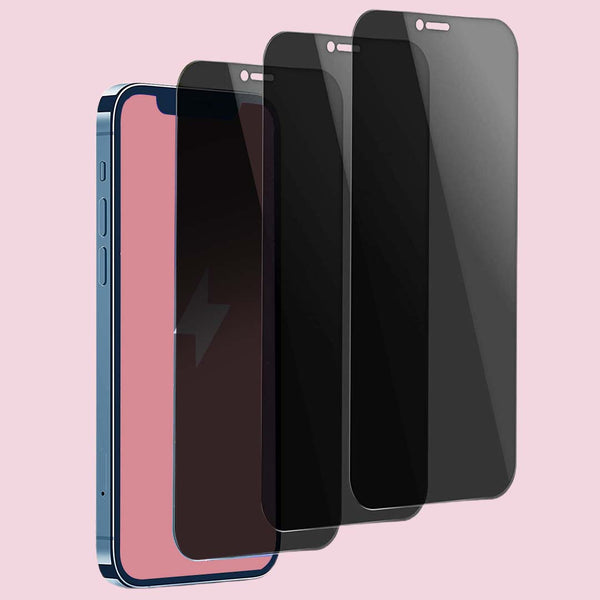
How Do Screen Protectors Work? Exploring the Science Behind the Shield
Screen protectors are designed to safeguard our devices' screens from scratches, impacts, and various forms of damage. They achieve this through a combination of materials and technologies that absorb and dissipate the energy from impacts. At the most basic level, a screen protector acts as a barrier between the device's screen and external elements. There are different types of screen protectors, including tempered glass and plastic film. Tempered glass protectors provide a hard and brittle surface that can withstand significant pressure, while plastic film protectors offer a thinner layer with the advantage of flexibility and ease of installation.
When a device is dropped, the screen protector absorbs a portion of the energy from the impact, thereby reducing the likelihood of cracks or shatters in the device's actual display. This functionality is largely due to the molecular structure of the materials used. For example, tempered glass undergoes a heating and cooling process known as tempering, which enhances its strength beyond that of regular glass. Additionally, some modern screen protectors are coated with oleophobic and hydrophobic layers that repel oils and water, keeping the screen cleaner and improving visibility. Thus, investing in a quality screen protector is crucial for prolonging the life of your device.
Counter-Strike is a popular first-person shooter game that has been a staple in the gaming community since its release. Players engage in team-based combat, often using tactics and strategy to defeat their opponents. For those looking to protect their devices while gaming on the go, check out the Top 10 iphone screen protectors to keep your screen safe from damage.
Are All Screen Protectors Created Equal? A Comparison of Materials and Technologies
When it comes to smartphone and tablet protection, one of the most common accessories sold is the screen protector. However, not all screen protectors are created equal. The primary materials used in screen protectors include tempered glass, plastic (PET), and thermoplastic urethane (TPU). Each material offers different levels of protection and clarity. For instance, tempered glass is highly favored for its durability and resistance to scratches, while plastic is often more affordable but can yellow over time and is less effective against heavy impacts.
In addition to material differences, technologies such as anti-glare and anti-fingerprint coatings play a significant role in how well a screen protector performs. Some high-end models even offer blue light filtering properties to reduce eye strain. It's essential for consumers to consider factors like their lifestyle and the potential risks to their device before making a purchase. Therefore, conducting thorough research on various brands and user reviews can help ensure you choose a screen protector that truly meets your needs.
Do I Really Need a Screen Protector? The Cost of Damage vs. Protection
In today's digital age, our smartphones are integral to our daily lives, making them susceptible to scratches, cracks, and other forms of damage. The question becomes, do I really need a screen protector? While the initial investment in a quality screen protector may seem unnecessary, consider the potential costs associated with screen damage. A single crack can lead to costly repairs or even a complete device replacement, which can run into hundreds of dollars. By spending a fraction of that cost on a reliable screen protector, you can safeguard your device from everyday hazards like keys, coins, and accidental drops.
Moreover, beyond the financial aspect, using a screen protector can provide peace of mind. With various options available, from tempered glass to liquid screen protectors, users can choose the level of protection that suits their lifestyle. For instance, if you frequently find yourself outdoors or engaging in activities where your device might be at risk, a high-quality screen protector can be a wise choice. Ultimately, investing in this simple accessory can save you not only money but also the hassle of dealing with a damaged screen. So, do I really need a screen protector? The answer is a resounding yes, as it offers both protection and potential savings.