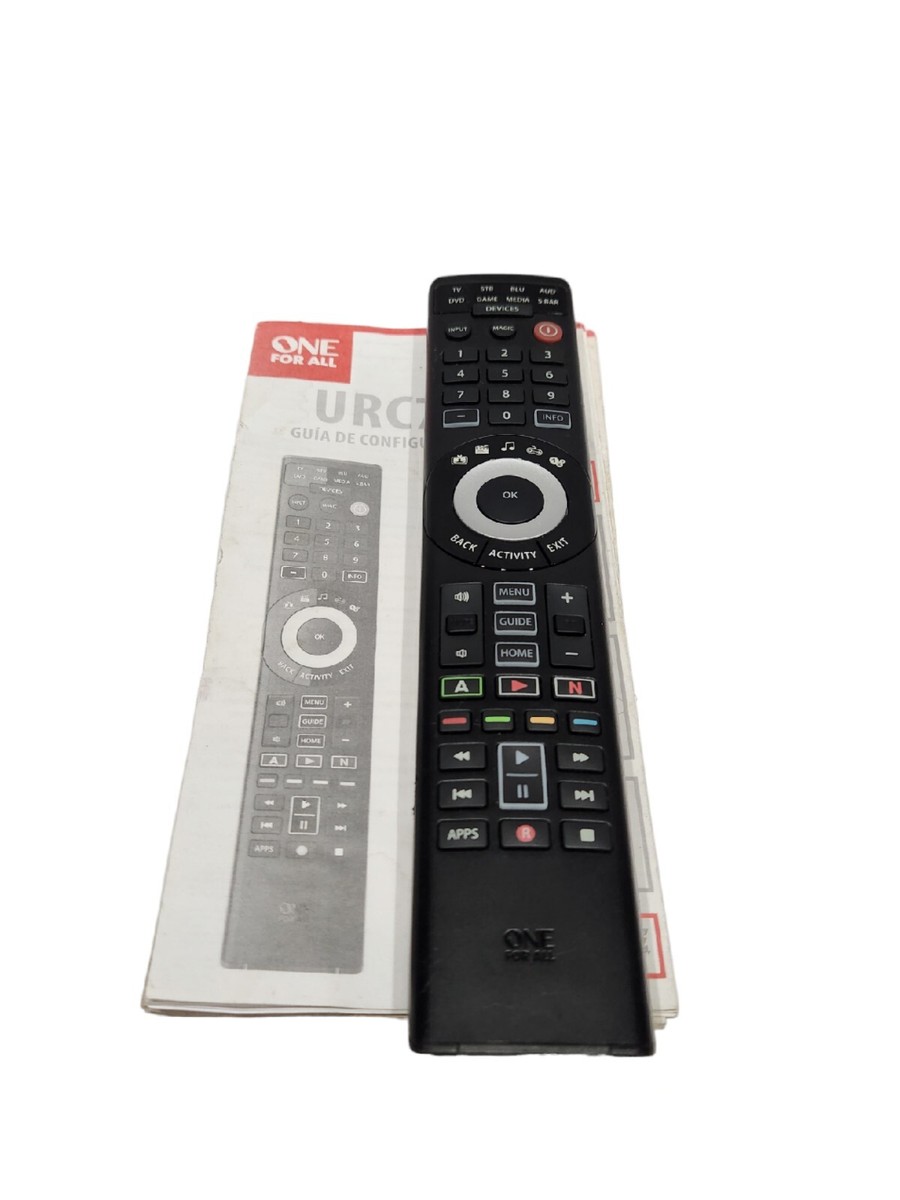
The Evolution of Remote Controls: From Simple To Smart
The evolution of remote controls has significantly transformed the way we interact with our entertainment systems. Initially, remote controls were simple devices, often limited to basic functionalities such as power, volume, and channel changes. These early remotes were often wired, making them cumbersome and restricting user mobility. As technology advanced, the introduction of infrared technology marked a pivotal moment in remote control development, allowing for wireless functionality and greater convenience. Users could now change the channel from across the room, a revolutionary shift that set the groundwork for further innovations.
Today, the smart remote control represents the pinnacle of this evolution, merging traditional functions with advanced technology. Modern smart remotes can connect to multiple devices, offering features such as voice control, customizable interfaces, and integration with smart home systems. They often come equipped with touch screens, gesture recognition, and even compatibility with voice assistants like Alexa and Google Assistant. This shift from simple remotes to intelligent devices not only enhances user experience but also reflects broader trends in home automation and connectivity.
Counter-Strike is a highly popular first-person shooter game that has captivated millions of players around the world. The game, originally released as a mod for Half-Life, has evolved into a franchise with multiple iterations, including the widely played Counter-Strike: Global Offensive (CS:GO). Its competitive gameplay emphasizes teamwork, strategy, and skill, making it a staple in the esports community. For those looking to enhance their productivity while gaming or working remotely, check out our Top 10 iPad Accessories for Remote Work.
How Remote Controls Enhance Our Daily Lives
The advent of remote controls has transformed the way we interact with our devices, offering unparalleled convenience and enhancing our daily lives. Gone are the days of manually changing channels or adjusting settings; with just the press of a button, we can easily navigate through our favorite shows, adjust the volume, or pause a movie without leaving our seats. This ease of use not only saves time but also allows for a more immersive experience when enjoying entertainment, making remote controls an essential tool in modern households.
Moreover, remote controls have expanded beyond traditional television sets to include a wide range of devices such as smart home appliances, air conditioners, and even lighting systems. With the integration of technology, users can manage their home environment from the comfort of their couch or even while away from home. This level of control contributes to enhanced comfort and energy efficiency, proving that remote controls are more than just gadgets; they are vital to creating a seamless and enjoyable lifestyle.
Can the Remote Control Survive in a Voice-Activated World?
As we dive deeper into the realm of technology, one question looms large: Can the remote control survive in a voice-activated world? With the rise of smart devices and voice-activated assistants like Amazon's Alexa and Google Assistant, many consumers are beginning to wonder if traditional remote controls will soon become obsolete. Voice-activated technology offers the convenience of hands-free operation, allowing users to manage their entertainment systems with simple voice commands. However, it is essential to consider the unique advantages that remote controls still hold, such as tactile feedback and the ability to navigate complex menus with precision.
While voice activation undoubtedly enhances our user experience, there is still a place for the remote control in our homes. For instance, situations such as noisy environments or when elderly family members are managing devices can hinder voice recognition. In these cases, the remote control provides a fail-safe option. Moreover, a significant portion of the population still prefers the familiarity and reliability of physical buttons. Thus, the future may not signal the complete extinction of remote controls, but rather a coexistence of both technologies, with users choosing the method that best suits their needs and preferences.