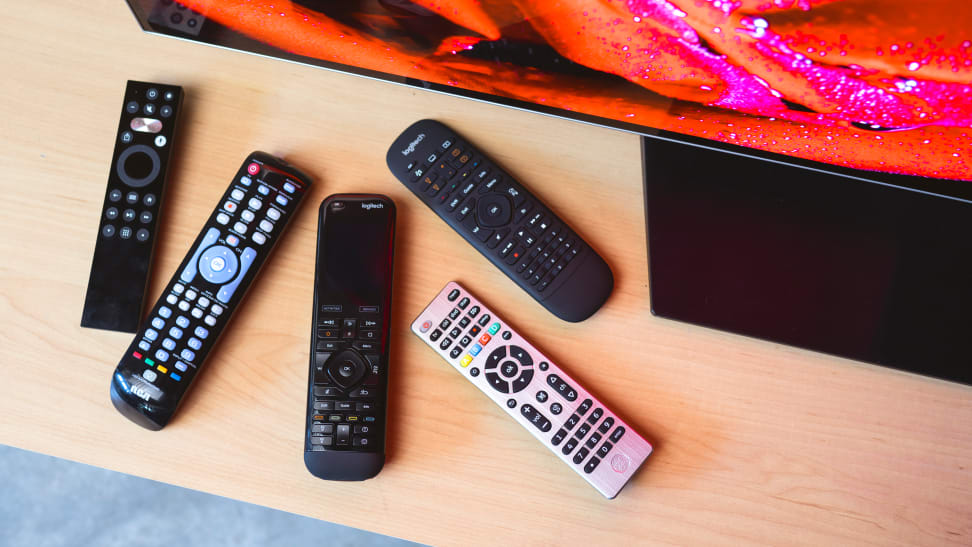
The Evolution of the Remote Control: From Manual to Smart Technology
The remote control has undergone a remarkable transformation since its inception in the early 1950s. Originally, devices like the Zenith Space Command utilized mechanical means, allowing users to change channels with the push of a button, albeit with a tedious manual effort. Over the decades, remote controls evolved, integrating infrared technology in the 1980s, which paved the way for more convenient, wireless control of televisions and other electronic devices. This transition marked the beginning of a more user-friendly approach, significantly impacting viewer engagement and reshaping home entertainment.
As we moved into the 21st century, the emergence of smart technology revolutionized the functionality of remote controls. Today’s devices not only operate traditional functions—such as changing channels or adjusting volume—but also integrate with smartphones and smart home systems, allowing for seamless control over various aspects of home entertainment and automation. Smart remotes often feature advanced capabilities like voice recognition and personalized settings, reflecting a blend of convenience, functionality, and enhanced user experience. This evolution signifies not just a change in technology but a shift in how we interact with our home environments.
Counter-Strike is a popular tactical first-person shooter franchise that has become a staple in competitive gaming. Players engage in team-based gameplay, where they can choose to play as terrorists or counter-terrorists, with a variety of missions including bomb defusal and hostage rescue. The game's strategic depth and emphasis on teamwork have made it a favorite among esports enthusiasts. If you're looking for the best gaming experience, check out the Top 10 apple tv remotes to enhance your setup.
10 Surprising Facts About How Remotes Changed Our Viewing Habits
The advent of the remote control has significantly transformed our viewing habits. 1. Gone are the days when viewers had to physically get up to change the channel or adjust the volume. The remote control introduced a level of convenience that reshaped how television is consumed. 2. Studies show that the average viewer now spends up to 5 hours a day watching television, a substantial increase from the days of manual channel surfing. This shift has led to a phenomenon known as 'binge-watching,' where viewers prefer to consume entire series in one sitting rather than waiting a week for new episodes.
Moreover, the remote control has not only impacted viewing time but has also influenced viewing choices. 3. With the click of a button, viewers can quickly navigate between live television, streaming services, and on-demand options. This ease of access has resulted in a greater variety of content being consumed. 4. Interestingly, families are now more likely to watch different programs simultaneously, thanks to multiple remotes and devices. This change signifies a shift from collective family viewing experiences to individual preferences, marking a new era in how we engage with media.
Are We Too Dependent on Our Remote Controls?
In today's fast-paced digital world, our reliance on technology has reached unprecedented levels, and one of the most ubiquitous symbol of this dependence is the remote control. With just the push of a button, we can change channels, adjust the volume, and access a plethora of entertainment options without moving from our seats. This convenience raises an important question: are we too dependent on our remote controls? While these devices undoubtedly enhance our viewing experiences, they also foster a sedentary lifestyle, separating us from the simple joys of physical interaction with our environment, such as getting up to change the channel or the volume manually.
Moreover, the over-reliance on our remote controls extends beyond just our televisions. From gaming consoles to smart home devices, remotes have become central to our daily routines. This dependence can lead to a diminished ability to engage with technology in a more hands-on manner. A recent survey showed that a majority of people preferred using remotes over physical controls, highlighting our growing comfort in remaining passive consumers of entertainment. As we ponder whether we're too dependent on our remote controls, it's essential to consider the potential impact on our social interactions and health, urging us to reflect on how we can strike a balance between convenience and engagement.