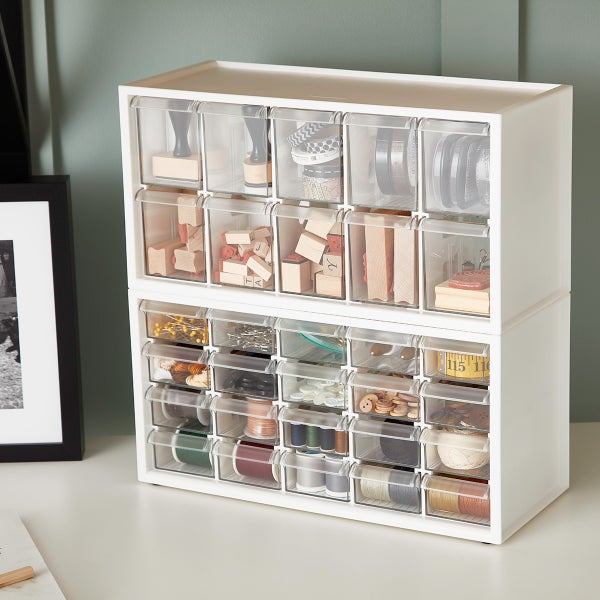
The Art of Organizing: How to Transform Your Space and Mind
In the fast-paced world we live in, organizing our physical space can lead to a sense of calm and clarity. The art of organizing is more than just tidying up; it’s a transformative process that can positively impact both your environment and your mindset. By decluttering your surroundings, you create a harmonious atmosphere that encourages productivity and reduces stress. To effectively transform your space, start with these key steps:
- Assess your space and identify clutter hotspots.
- Sort items into categories: keep, donate, and discard.
- Implement storage solutions that optimize your space.
Once your physical environment is reorganized, you may notice a shift in your mental state as well. A well-organized space fosters creativity and boosts focus, allowing you to thrive in your personal and professional life. Moreover, the act of organizing can serve as a mindful practice, encouraging you to reflect on your priorities and the things that truly matter. As you embark on this journey, remember to celebrate small wins to keep yourself motivated. Over time, the benefits of an organized space will enhance not only your living space but also your overall mental clarity.
Counter-Strike is a highly popular first-person shooter video game that has captivated the gaming community for years. Players compete in teams to complete objectives or eliminate the opposing team, showcasing tactical gameplay and sharp shooting skills. For those seeking to enhance their gaming experience, exploring Top 10 iPhone accessories for business can be beneficial, as these gadgets can help optimize performance even outside the gaming world.
10 Essential Tools Every Organizer Swears By
As an organizer, having the right tools can make all the difference in achieving efficiency and clarity. Here are 10 essential tools that every organizer swears by:
- Label Maker: A label maker simplifies the organization process by creating clear, easy-to-read labels for storage bins, files, and more.
- Filing System: An efficient filing system can help keep documents in order and easy to access, whether physical or digital.
- Color-Coded Sticky Notes: These are perfect for jotting down reminders or creating to-do lists, all while adding a splash of color to your workspace.
- Planner or Calendar: A good planner or digital calendar can help you stay on top of your tasks and appointments.
- Storage Bins: Clear storage bins allow you to categorize items without adding unnecessary clutter.
Continuing our list, here are more essential tools that every organizer finds invaluable:
- Whiteboard: A whiteboard serves as an excellent brainstorming tool, allowing you to visualize ideas or action plans.
- Digital Note-Taking Apps: Tools like Evernote or OneNote help keep important information organized and accessible across devices.
- Time Management Tools: Apps that track time can provide insights into how you spend your day, helping you assess productivity.
- Donation Box: Having a designated donation box encourages decluttering and simplifies the process of giving back.
- Multi-Purpose Scissors: A good pair of scissors is essential for any organizing project, making it easy to cut through packaging or fabric.
Are You a Natural Organizer? Discover Your Organizational Style
Are you a natural organizer? Understanding your organizational style can significantly enhance your productivity and help you manage your tasks more effectively. People often fall into different categories when it comes to organizing their space and schedules. Some might naturally gravitate towards a structured approach, preferring to have lists and neatly labeled folders, while others may thrive in a more flexible environment, where creativity leads their organizational methods. By identifying your style, you can tailor your workflow to suit your strengths.
To discover your unique organizational style, consider the following questions:
- Do you prefer a detailed plan or a broad outline when tackling a project?
- How do you feel about clutter—does it motivate you or overwhelm you?
- Do you find joy in color coding and categorizing, or do you lean towards a more minimalist approach?