What Is Blue Light and How Does It Affect Your Sleep?
Blue light is a high-energy, short-wavelength light emitted by various digital devices, including smartphones, tablets, and computers, as well as LED lighting. This type of light plays a crucial role in regulating our circadian rhythms, which are the natural cycles that govern our sleep-wake patterns. Exposure to blue light during the day can be beneficial, as it helps to enhance alertness and cognitive performance. However, excessive exposure to blue light, particularly in the evening, can disrupt our body’s natural signals, making it harder to prepare for sleep.
Studies have shown that blue light exposure can inhibit the production of melatonin, the hormone responsible for sleep regulation. When we use digital devices close to bedtime, the bright screens can trick our brain into thinking it is still daytime, leading to difficulties in falling asleep and reduced sleep quality. To mitigate these effects, experts recommend limiting screen time at least an hour before bed, using blue light filters, or opting for blue light-blocking glasses to protect your eyes and promote better sleep hygiene.
Counter-Strike is a highly popular first-person shooter game that emphasizes teamwork and strategy. Players can choose to join either the terrorist or counter-terrorist sides, engaging in intense matches that require skill and quick decision-making. To enhance your gaming experience and reduce eye strain, check out the Top 10 Phone Accessories for Eye Strain, which can help improve your comfort during long gaming sessions.
5 Reasons Your Screen Might Be Stealing Your Sleep Quality
In today's digital age, screens are an integral part of our daily lives. Whether it's scrolling through social media or binge-watching your favorite series, these activities often happen late into the night. One key reason your screen might be stealing your sleep quality is due to blue light exposure. This type of light, emitted by smartphones, tablets, and computers, interferes with the production of melatonin, the hormone responsible for regulating sleep. As a result, your body may struggle to recognize when it's time to wind down, leading to restless nights and difficulty falling asleep.
Another critical factor to consider is the stimulating content we consume through our screens. Engaging with exciting or stressful media before bedtime can elevate your heart rate and keep your mind racing, making it increasingly difficult to achieve a state of relaxation. In fact, studies suggest that the content we view can trigger emotional responses that linger long after we've turned off the screen. Avoiding screens at least an hour before bed can significantly improve your sleep quality, allowing for a more peaceful and restorative night.
How to Choose the Best Blue Light Filter for Your Devices
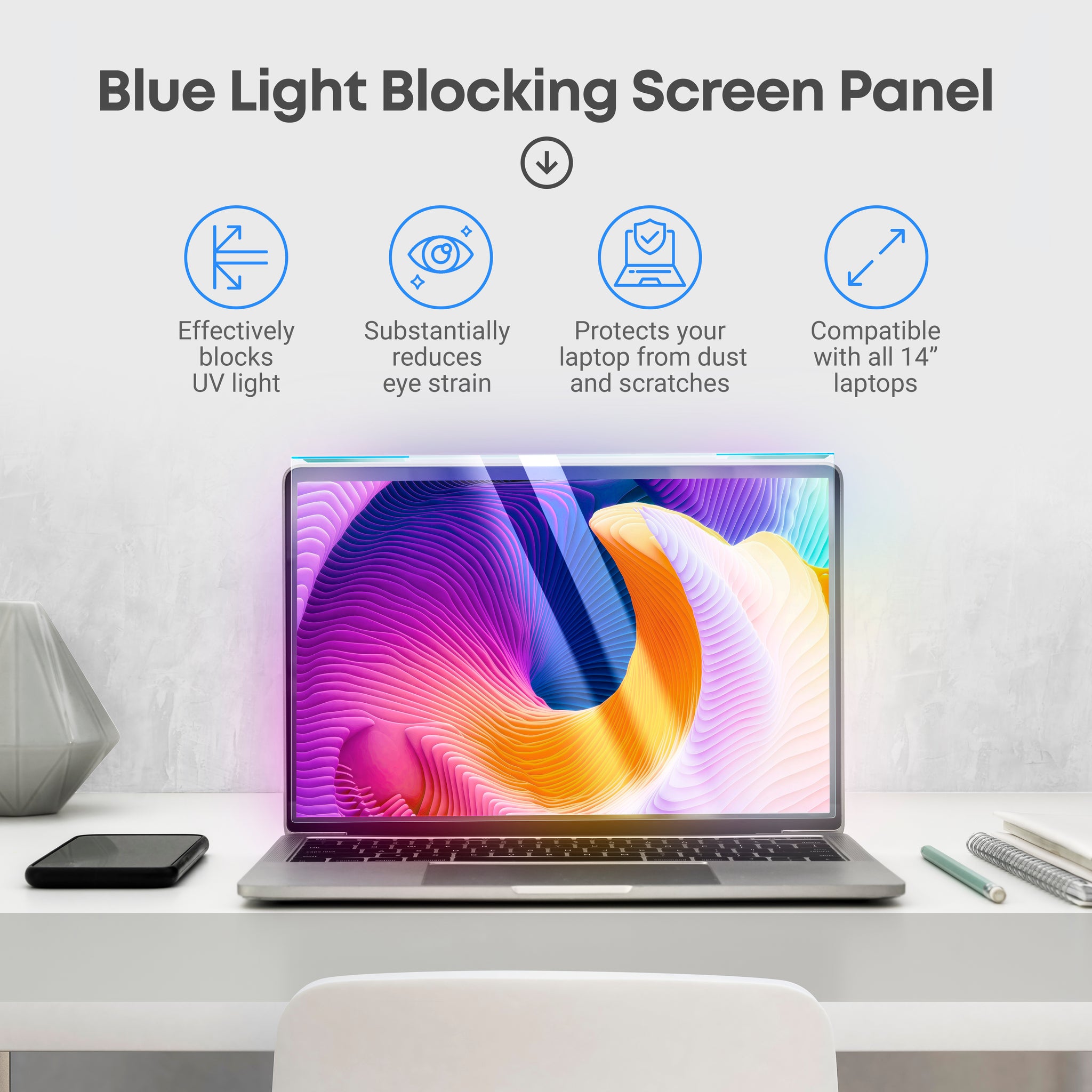
When it comes to choosing the best blue light filter for your devices, start by assessing your specific needs. Consider how much time you spend in front of screens daily and the type of devices you use. Many filters come as software applications or built-in features on smartphones, tablets, and computers. For instance, options like f.lux and Night Shift are popular software solutions that adjust screen warmth based on the time of day. Alternatively, you can opt for physical screens or clip-on filters that reduce blue light exposure directly.
Additionally, it's essential to check user reviews and expert recommendations to find a blue light filter that suits your requirements. Look for filters that allow customization of settings, such as color temperature and intensity adjustments, which can enhance your comfort level while using devices. Some filters even come with built-in eye exercise reminders and screen time management tools to promote healthy device usage. By taking these factors into account, you’ll be better equipped to select a filter that effectively minimizes blue light exposure, ultimately leading to improved eye health and better sleep quality.