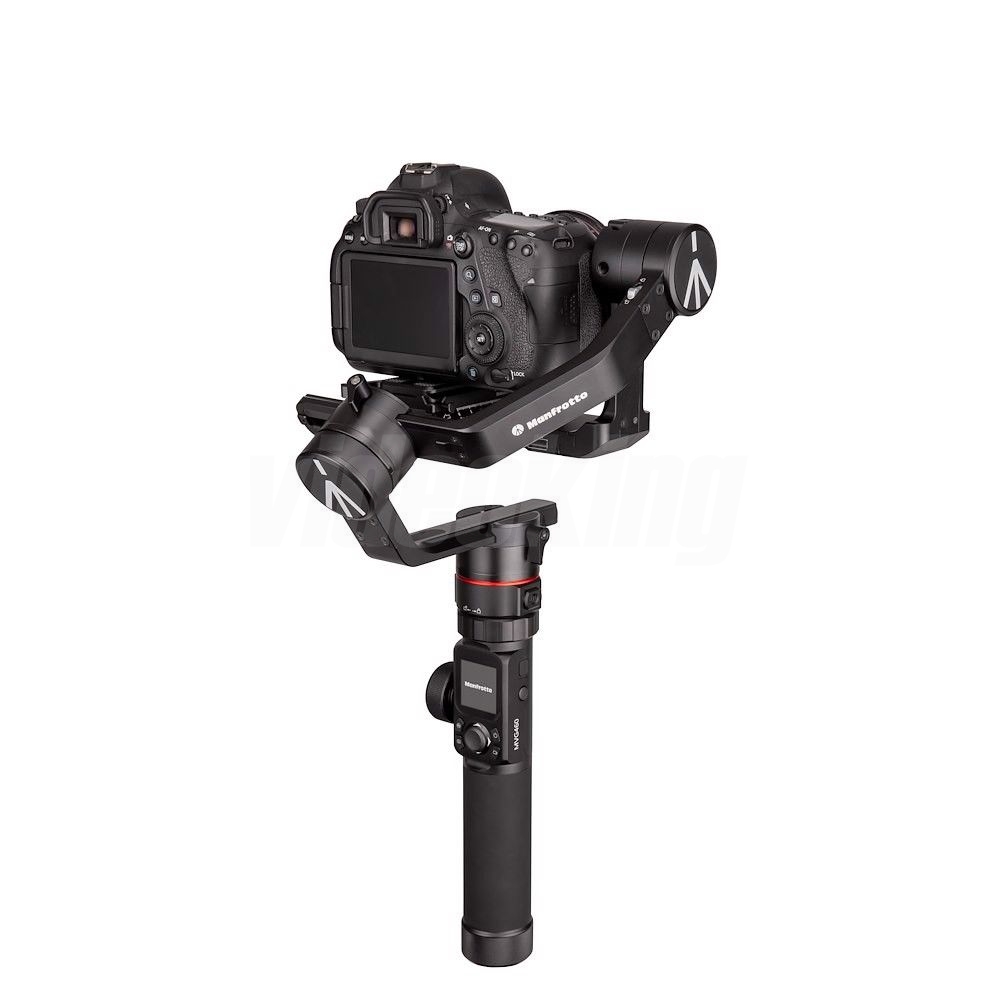
Essential Tips for Using Gimbals: Transforming Your Footage
Using a gimbal can revolutionize your filming experience and enhance the quality of your videos. To get started, ensure that your gimbal is properly balanced with your camera and any accessories you may be using. This not only makes for smoother footage but also reduces strain on the motors. Once balanced, familiarize yourself with the various modes your gimbal offers, such as pan follow or lock mode, to tailor your shooting style to the action unfolding in front of you.
Another essential tip is to maintain consistent framing while filming. Using a gimbal allows for fluid motion, but abrupt changes can distract viewers. To minimize this, practice smooth transitions and incorporate a variety of shots, such as tracking and revealing shots. Additionally, consider investing in good quality ND filters, which help manage the exposure, allowing you to keep a desirable shutter speed and enhance the aesthetic of your footage for an impactful visual narrative.
Counter-Strike is a highly popular first-person shooter game that emphasizes team-based gameplay and strategy. Players can choose to be part of the terrorist or counter-terrorist teams, engaging in various objective-based game modes. For those looking to enhance their mobile photography, check out the Top 10 iPhone gimbals to find the perfect stabilizer for your needs.
The Science Behind Stabilization: How Gimbals Work
The world of videography and photography has seen a significant transformation with the introduction of gimbals. These innovative devices utilize advanced mechanics to provide stability to cameras, ensuring smooth and professional-looking footage even in dynamic conditions. At their core, gimbals operate on a system of three axes, which allows them to counteract unwanted movements. This is primarily executed through the use of motors and sensors that detect the camera's position and orientation, making real-time adjustments to keep the camera steady. This is crucial for creators who want to eliminate the jarring effects often associated with handheld shooting.
Understanding the science behind gimbals involves delving into the principles of angular momentum and balance. Each motor in a gimbal is programmed with algorithms that stabilize the device along the three axes—pitch, roll, and yaw. These motors dynamically adjust and work in conjunction with the gravity sensors, enabling the camera to remain level and focused. For filmmakers and content creators, mastering the use of gimbals can open up new creative possibilities, transforming everyday shots into cinematic masterpieces that resonate with audiences. The evolution of gimbal technology continues to amaze, pushing the boundaries of what's possible in visual storytelling.
Top 5 Gimbal Techniques to Elevate Your Filmmaking Skills
When it comes to enhancing your filmmaking skills, mastering gimbal techniques is essential. Gimbals provide stability and smooth movement, allowing for professional-looking shots without the shakiness often associated with handheld filming. Here are the top 5 gimbal techniques that can transform your footage:
- Walk and Shoot: Use a wide stance to distribute your weight evenly; keep the gimbal close to your body for better balance.
- Focus on Slow Pans: Slow motions allow the gimbal to work more effectively, creating a cinematic look.
- Utilize Dutch Angles: Experiment with tilted angles for dynamic shots that add intrigue.
- Follow Mode: Activate follow mode for seamless tracking shots of subjects in motion.
- Practice Forward and Backward Movement: Transitioning between forward and backward movements can create a captivating depth of field.