How Virtual Reality Gadgets Are Transforming Your Gaming Experience
Virtual Reality gadgets have revolutionized the gaming landscape, creating immersive experiences that transport players into entirely new worlds. Through the use of advanced headsets and motion-sensing controllers, gamers can now interact with their environments in ways never before possible. As VR technology continues to evolve, it enhances not just the visuals but also the overall gaming experience. For example, titles like Beat Saber and Half-Life: Alyx showcase how Virtual Reality can offer gameplay that feels more engaging and realistic, allowing players to physically move and react within their virtual realms.
Moreover, the social aspect of gaming has undergone significant change due to VR gadgets. Players can connect and collaborate with friends or strangers in shared virtual spaces, enhancing the sense of community. Features such as multiplayer modes and virtual meet-ups facilitate interactions that mirror real-life gaming environments. Furthermore, VR technology encourages new genres of games, merging traditional gameplay with interactive storytelling and unique mechanics that pull players deeper into the narrative. Truly, Virtual Reality is not just redefining gaming experiences but also setting a new standard for entertainment in the digital age.
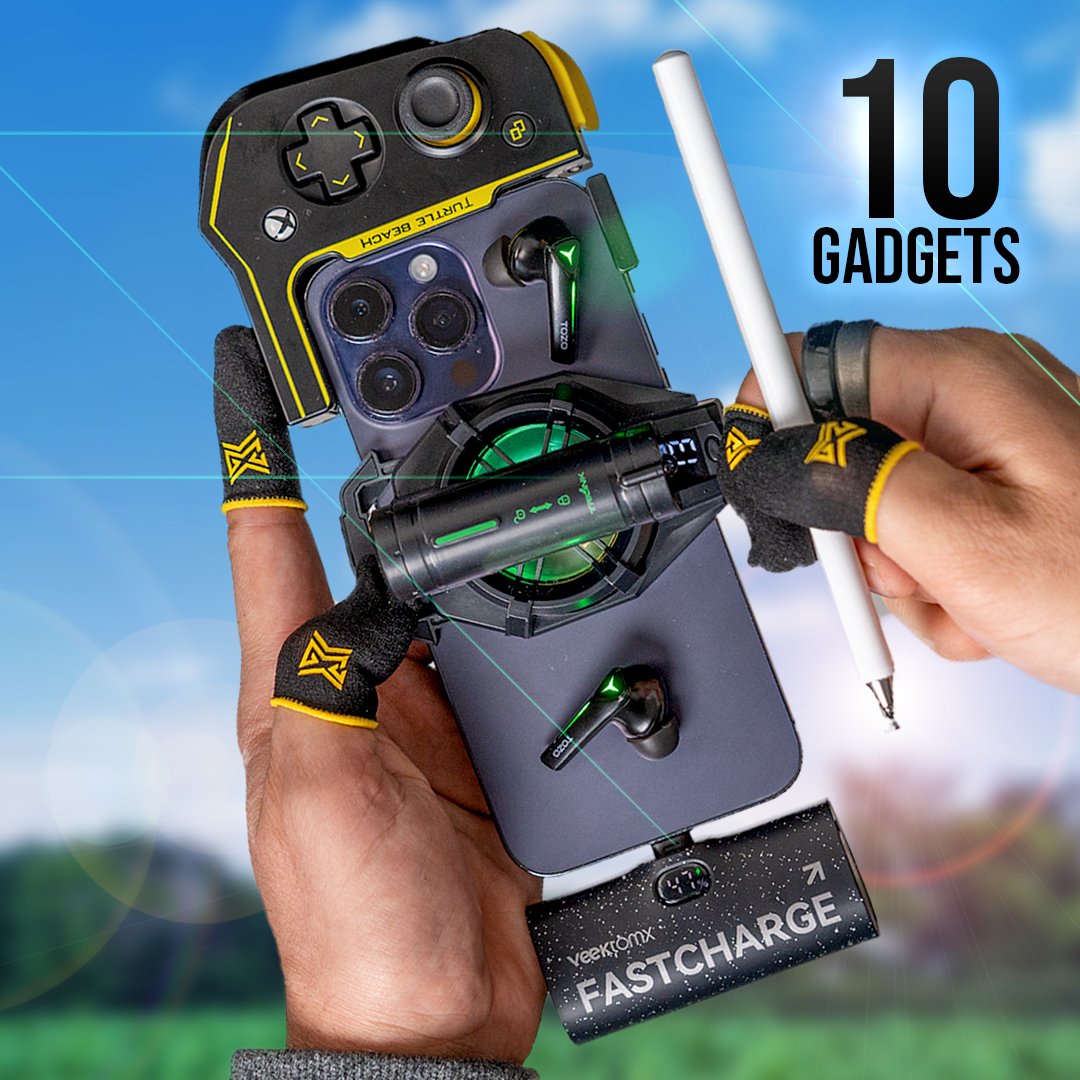
Counter-Strike is a highly popular first-person shooter game that pits teams of terrorists against counter-terrorists in various objective-based scenarios. Players engage in intense battles with a range of weapons, tactics, and strategies, making it a thrilling experience. If you're looking for some inspiration for gaming gear or accessories, check out these Top 10 Tech Gifts Under 50 to enhance your gameplay.
5 Mind-Bending Gadgets That Challenge Your Perception of Reality
In a world where technology constantly evolves, mind-bending gadgets have emerged to push the boundaries of our perception of reality. From virtual reality headsets that transport you to a different world to augmented reality glasses that overlay digital information onto the real world, these devices are redefining how we interact with our surroundings. One such gadget, the Magic Leap One, enhances your visual experience by merging physical and digital realms, allowing you to manipulate holographic objects as if they were right in front of you. Another groundbreaking innovation, the Oculus Quest 2, immerses users in a 360-degree virtual landscape, sparking the imagination and challenging conventional notions of what is 'real'.
Next on our list is the Neurable Brain-Controlled VR Headset, a revolutionary device that lets users control virtual environments with their thoughts. By utilizing brain-computer interface technology, it creates a seamless connection between your mind and the virtual space, providing a truly immersive experience that feels almost supernatural. Additionally, the Self-Driving Car is reprogramming our understanding of autonomy and transportation. These vehicles utilize advanced AI to navigate without human intervention, creating a reality where our everyday commute is managed by machines. Finally, the HoloLens from Microsoft blends digital content with the physical world, leading to a new era of interactive learning and collaboration. Each of these gadgets not only captivates the imagination but also challenges our fundamental perceptions of reality.
Are Augmented Reality Devices the Future of Everyday Life?
As technology continues to evolve at an unprecedented pace, augmented reality devices are emerging as pivotal tools that could reshape our everyday life. By overlaying digital information onto our physical environment, these devices allow users to interact with their surroundings in a more immersive and intuitive way. For instance, imagine navigating through a new city with AR glasses that not only provide directions but also highlight points of interest, historical facts, and even social reviews from friends. Such applications could enhance tourism, education, and even social interactions, making our daily experiences richer and more informative.
Moreover, as augmented reality continues to gain traction across various industries, from healthcare to retail, its integration into our daily routines seems inevitable. For example, AR can facilitate virtual try-ons for clothing or glasses, allowing consumers to make informed purchasing decisions without the hassle of physical tryouts. In the medical field, surgeons can utilize AR for precise guidance during complex procedures, greatly improving accuracy and patient outcomes. The potential for augmented reality devices to transform everything from work environments to leisure activities is vast, suggesting that we are only scratching the surface of what is possible.