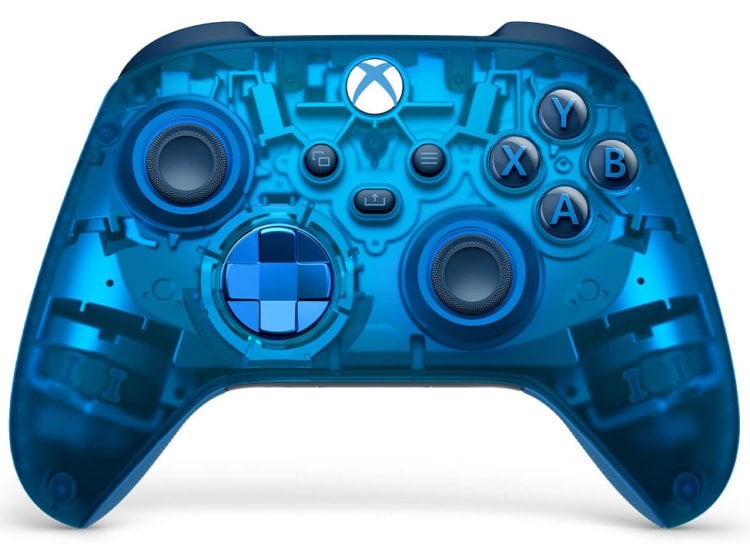
The Evolution of Controllers: From Joysticks to Motion Sensors
The history of gaming controllers is a fascinating journey that mirrors the advancements in technology and player engagement. Initially, gaming started with simple joysticks that allowed players to maneuver characters on screen. The first home console controllers, such as the Atari 2600, featured a single joystick and a few buttons for action commands. However, as games became more complex, the demand for more interactive and responsive controls grew. This led to the introduction of gamepads in the 1980s and 1990s, which included multiple buttons and directional pads, significantly enhancing gameplay experience and paving the way for future innovations.
As the new millennium approached, the focus shifted towards immersive gameplay, leading to the development of motion sensors. This groundbreaking technology first gained mainstream popularity with the Nintendo Wii in 2006, which allowed players to physically engage with games through gestures and movements. Following this, other consoles like the PlayStation and Xbox introduced their own versions of motion-sensitive controllers, expanding the possibility of player interaction. Today, the evolution of controllers continues with advancements such as virtual reality gloves and adaptive controllers, showcasing an ongoing commitment to enhancing user experience and inclusivity in gaming.
Counter-Strike is a highly popular first-person shooter that has captivated gamers worldwide since its inception. Known for its strategic gameplay and team-based mechanics, it has evolved through various iterations, with Top 10 iPhone controllers becoming an essential accessory for mobile gamers seeking precision and responsiveness. The competitive scene continues to thrive, with tournaments attracting millions of viewers.
How Controllers Enhance Gameplay Experience: A Deep Dive
Controllers play a crucial role in shaping the overall gameplay experience by providing a tactile interface that allows players to connect with their games on a deeper level. These devices are designed with ergonomics in mind, ensuring that players can enjoy extended gaming sessions without discomfort. Through features such as haptic feedback and adaptive triggers, controllers not only replicate realistic sensations but also enhance immersion, making every jump, fall, or impact feel more authentic. Many modern controllers also come equipped with customization options, enabling players to adjust settings to fit their unique play styles, thus enhancing gameplay even further.
Moreover, the evolution of controllers has introduced innovative technologies like motion sensing and touch screens, broadening the range of possible interactions within a game. For instance, titles designed for consoles like the Nintendo Switch utilize motion controls to create dynamic gameplay experiences that engage players in new ways. Cross-platform compatibility also allows gamers to use their favorite controllers across multiple systems, enhancing accessibility and personal preference. Ultimately, the integration of advanced features and thoughtful design makes controllers indispensable for achieving a higher level of immersion and enjoyment in gaming.
What Makes a Great Controller? Key Features Explained
When evaluating what makes a great controller, several key features stand out that can elevate the user experience. Firstly, a responsive design that allows for precise control is essential; this includes low latency, which ensures that your commands are executed without noticeable delay. Additionally, ergonomics play a significant role; a well-designed controller should fit comfortably in your hands, allowing for extended play sessions without causing fatigue. Another important feature is customizable buttons and settings, enabling players to tailor the controller to their unique gaming style and preferences.
Furthermore, compatibility is a crucial aspect as well. A great controller should not only work seamlessly with various gaming systems but also support cross-platform functionality, providing versatility across different gaming environments. Features such as vibration feedback and motion sensing enhance the immersive experience, making gameplay more engaging. Lastly, a robust build quality ensures longevity, allowing gamers to rely on their controller for countless hours of play while withstanding the rigors of intense gaming sessions.